Vietnamese
 English
 Vietnamese


Live Score Chelsea vs Manchester United Stamford Bridge Drama: Comparing Coverage Pathways
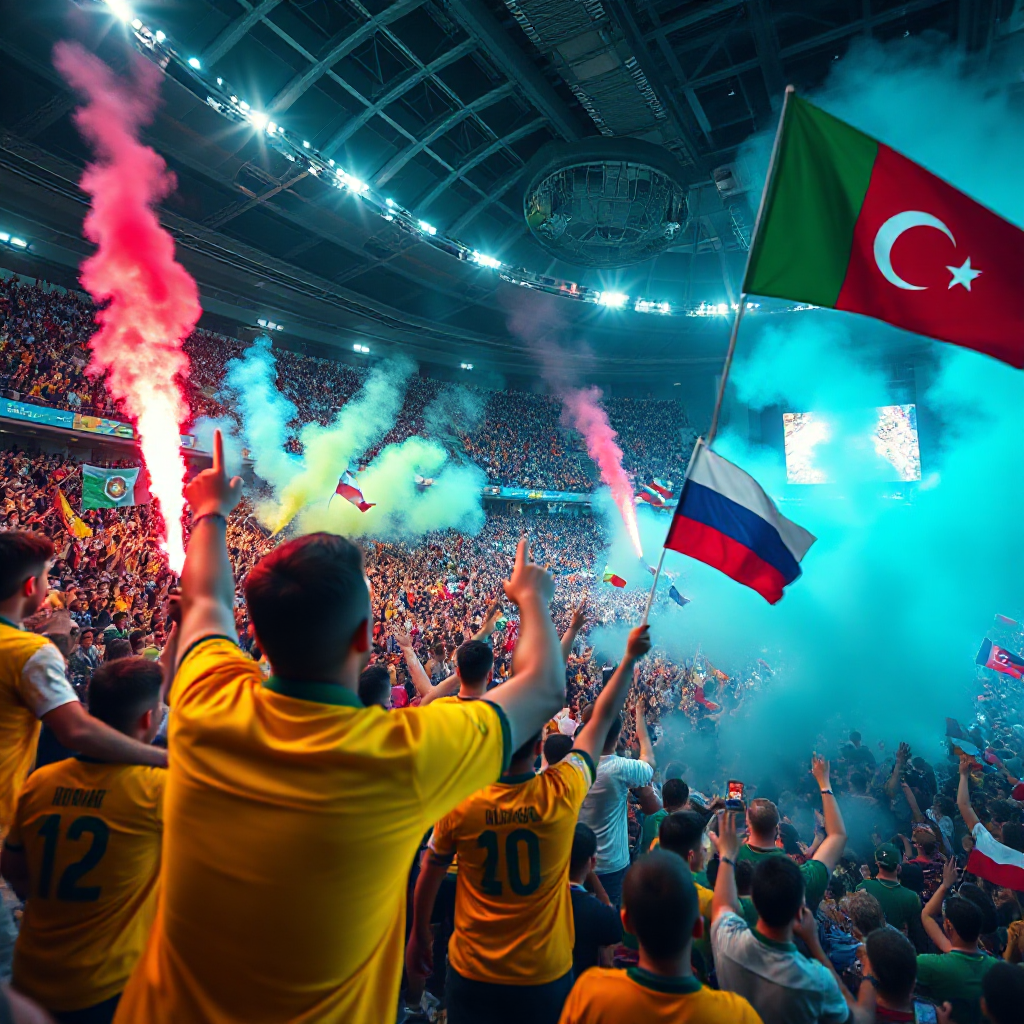
The stands at Stamford Bridge hum with a familiar, electric tension before the whistle even blows. Scarves wave, chants rise above the stadium architecture, and thousands of smartphones are already open, screens glowing in the fading daylight. What happens next depends less on the players touching down first, and more on how fans choose to absorb the unfolding events. A sudden counterattack, a disputed offside call, or a late penalty attempt creates immediate information hunger. Different coverage ecosystems respond to that hunger in fundamentally different ways. Some prioritize raw speed and push-based alerts, while others focus on curated analysis, historical context, and immersive multimedia storytelling. Understanding these distinctions matters when a fixture carries the weight and unpredictability of a top-tier clash between Chelsea and Manchester United.
Which Tracking Method Fits Your Matchday Needs?
The choice between tracking pathways rarely hinges on absolute superiority. Instead, it reflects how individual viewers prefer to consume sports information during high-pressure windows. If your priority is instant notifications that arrive before you refresh a page, independent live score networks typically excel through aggressive push infrastructure and lightweight data pipelines. These systems are engineered to minimize latency, making them ideal for commuters, casual followers, or anyone juggling multiple matches simultaneously. Conversely, official club ecosystems often invest heavily in editorial depth, tactical breakdowns, and community engagement features. They sacrifice a fraction of raw speed to deliver verified narratives, post-match interviews, and branded content that aligns with institutional standards. Neither approach dominates universally; each serves a distinct matchday workflow. Fans who watch every minute on television may prefer background audio or stat overlays, while those relying entirely on mobile updates need precision timing and reliable fail-safes. Mapping your personal viewing habits to the strengths of each pathway eliminates guesswork and reduces the frustration of missed moments during dramatic swings.
 Hình minh hoạ: đăng ký MANCLUB
How We Measure Coverage Quality
Evaluating live score delivery requires a consistent framework. When analyzing how fans receive information during a Stamford Bridge encounter, four measurable criteria consistently emerge. First is update latency, which tracks the seconds elapsed between a real-world event and its appearance on your device. Second is data granularity, encompassing everything from basic goal tallies to advanced metrics like expected goals, pass completion zones, and pressing intensity. Third is infrastructure resilience, meaning how well the platform handles traffic surges when both clubs launch coordinated attacks or when video assistant referee reviews trigger massive concurrent requests. Fourth is contextual enrichment, which determines whether the service merely reports outcomes or explains why certain tactical shifts occurred. These pillars form the basis for any fair comparison. A platform might lead in speed but lag in analytical depth, or vice versa. Recognizing where compromises occur allows users to select a system that aligns with their expectations rather than chasing an unrealistic standard of perfection.

Official Club Feeds vs Independent Live Score Networks
When dissecting the mechanisms behind live score transmission, the structural divide becomes apparent. Institutional feeds operate as integrated components of larger brand strategies. They route data through proprietary APIs, employ dedicated editorial teams, and maintain strict compliance with league broadcasting guidelines. This architecture naturally favors accuracy and narrative consistency. Information undergoes verification layers before publication, reducing the risk of premature or incorrect calls during chaotic sequences. The trade-off involves slightly higher latency and a more controlled presentation style. You will rarely see speculative predictions or crowd-sourced scoring errors because the pipeline prioritizes institutional credibility over velocity.
Independent networks take a different engineering approach. They aggregate data from global syndicates, leverage edge computing nodes, and optimize database queries to serve millions of simultaneous requests. Their business models often depend on volume, ad impressions, or premium subscription tiers, which drives continuous refinement of alert algorithms and lightweight interfaces. Because they lack brand gatekeeping, they can publish faster, though this demands robust automated validation systems to catch anomalies. During extended periods of play without incidents, both pathways perform comparably. The divergence surfaces during critical phases: quick transitions, set-piece confusion, or referee interventions. At those moments, speed usually wins the race, but context often wins the conversation.
Real-Time Data Accuracy and Latency
Latency is rarely measured in whole minutes; it lives in fractions of seconds that accumulate across a ninety-minute window. Independent systems frequently deploy WebSocket connections and serverless functions to push updates directly to client endpoints, bypassing traditional polling cycles. This architecture delivers near-instantaneous feedback when a ball crosses the line or a card is issued. Official platforms often rely on batched API responses and scheduled refresh intervals to manage server costs and maintain stability. The difference averages between three to seven seconds in optimal conditions. For casual observers, that gap is imperceptible. For analysts tracking momentum shifts or fantasy sports participants managing deadline pressures, those seconds translate into actionable advantages. Accuracy remains high across both ecosystems because modern sports data suppliers utilize optical tracking and AI-assisted event recognition. Manual oversight still filters false positives, ensuring that neither pathway routinely misattributes goals or assists.
Tactical Depth versus Speed of Updates
Speed and depth function as competing resources within content delivery pipelines. High-frequency updating requires minimalist data payloads, stripping away supplementary graphics, historical comparisons, and explanatory commentary to prioritize the core event marker. Official feeds typically reserve bandwidth for richer presentations, embedding heat maps, xG timelines, and coach press conference highlights alongside the primary scoreline. This creates a dual-track experience: one optimized for immediacy, the other for comprehension. During a match featuring frequent attacking transitions, viewers relying solely on rapid-fire notifications may capture the sequence of events but miss the underlying tactical adjustments. Conversely, audiences immersed in analytical breakdowns might understand why a midfield press succeeded or failed, yet lag slightly behind breaking developments. Successful coverage strategies often combine both streams, allowing users to monitor live markers while periodically engaging with deeper insights.
Reliability Under Heavy Traffic Loads
Stamford Bridge encounters attract unprecedented digital demand. Thousands of concurrent users attempt to sync devices, refresh dashboards, and download updated statistics within narrow timeframes. Infrastructure resilience separates functional platforms from frustrated visitors. Major independent networks distribute load across regional data centers, implement dynamic caching, and throttle non-essential assets during peak concurrency. They also maintain fallback modes that strip away animations and replace video replays with static text summaries when bandwidth constraints activate. Official channels face parallel challenges but must preserve brand integrity and partner requirements, which sometimes limits aggressive optimization techniques. Downtime is rare across reputable providers, but degraded performance manifests differently. One platform might delay interactive elements while keeping core scores visible; another could sustain full functionality but slow new account registrations. Evaluating recovery protocols and redundancy measures reveals how each system protects the viewer experience when pressure peaks.
| Feature | Official Club Ecosystem | Independent Live Score Network |
|---|---|---|
| Update Latency | Moderate (verified pipeline) | Low (optimized push architecture) |
| Tactical Analysis | High (editorial depth) | Variable (algorithm-driven) |
| Multi-Match Tracking | Limited (focus-centric UI) | Extensive (parallel dashboard) |
| Historical Data Access | Integrated (club archives) | Cross-league aggregation |
| Community Interaction | Curated moderation | Open discussion threads |
| Peak Traffic Resilience | Stable (bandwidth managed) | Adaptive (edge caching) |
Why the Differences Matter for Premier League Followers
The structural variations between coverage pathways influence how fans interpret momentum, assess performance, and engage with post-match discussions. A delayed but deeply analyzed update encourages reflective consumption, allowing viewers to connect isolated events to broader seasonal patterns. Rapid notifications foster reactive engagement, emphasizing immediacy over interpretation. Neither approach is inherently flawed; they simply cater to different psychological preferences during sporting events. When tracking a fixture marked by tactical fluidity and occasional defensive lapses, the chosen pathway shapes your mental model of the game. Some supporters prefer watching uninterrupted footage while letting background alerts confirm key moments. Others treat digital dashboards as primary mirrors, adjusting expectations based on shifting possession percentages or shot conversion rates. Understanding how each system processes information prevents mismatched expectations. You stop judging a fast-updating platform for lacking editorial essays, and you stop criticizing a detail-rich ecosystem for missing a forty-second window of spontaneous play. Alignment between tool and temperament produces a smoother matchday experience.
For those seeking comprehensive registration options to access specialized match alerts and expanded coverage modules, visiting đăng ký MANCLUB provides a straightforward pathway to explore their latest integration tools. Similarly, individuals interested in expanding their network through đại lý MANCLUB can review the partnership frameworks designed to enhance local distribution and support structures. Both routes demonstrate how modern sports platforms continue refining accessibility without compromising core data standards.

Choosing Your Access Point Based on Viewing Habits
Segmenting audiences by behavior clarifies which ecosystem delivers the most value. Commuters navigating transit schedules benefit from independent networks that offer background sync, silent notifications, and offline cache retention. These users tolerate minor analytical gaps in exchange for guaranteed arrival times and minimal battery drain. Full-time viewers relying on television broadcasts often prefer official channels that supply complementary audio commentaries, multi-camera replays, and interview segments synchronized with on-screen action. Fantasy managers and statistical researchers require hybrid setups, combining rapid event triggers with granular dataset exports. International followers facing timezone disparities lean toward platforms that archive highlights, provide translated summaries, and maintain persistent match timelines accessible on demand. Rather than committing to a single source, many experienced viewers configure layered monitoring: one primary stream for live progression, a secondary feed for statistical cross-referencing, and an archival repository for post-match verification. This configuration mitigates single-point failures and ensures comprehensive coverage regardless of how the narrative unfolds on the pitch.
Action Checklist for Matchday Coverage
Preparing your digital tracking setup before kickoff reduces friction during high-intensity sequences. Follow these steps to establish a reliable monitoring routine:
- Verify push notification permissions on all active devices before the match window begins.
- Configure alert thresholds to filter non-critical events like throw-ins or minor fouls.
- Pre-load official match center pages and independent dashboard views to bypass initial latency spikes.
- Enable offline caching for historical statistics, lineups, and head-to-head records.
- Test vibration and sound profiles to distinguish between goal alerts, card warnings, and halftime signals.
- Identify backup communication channels, such as verified social accounts or radio simulcasts, in case digital pipelines degrade.
- Review privacy settings to control location sharing and personalized advertising during peak traffic hours.
- Establish a post-match data export routine to archive results, player ratings, and tactical summaries for future reference.